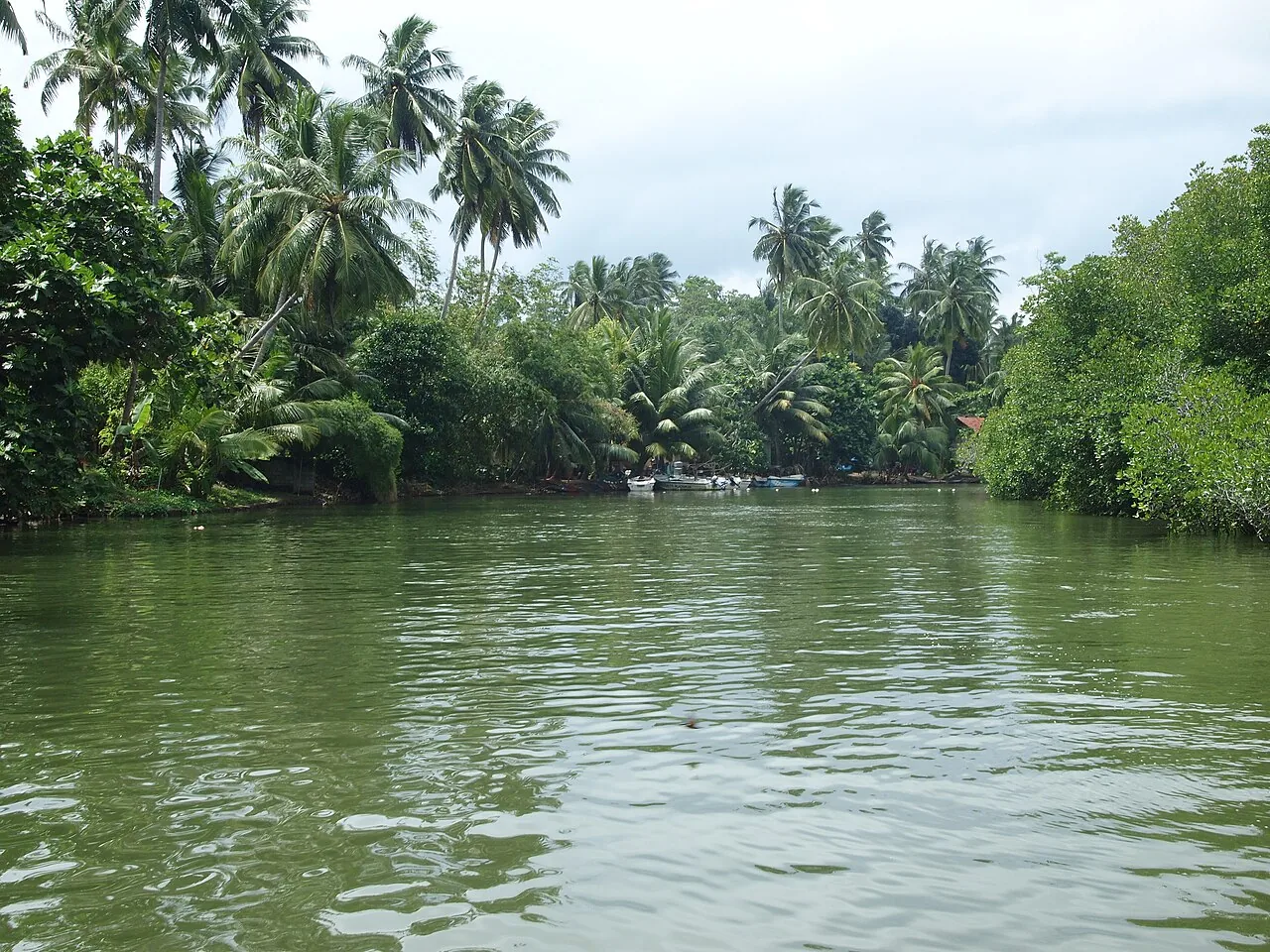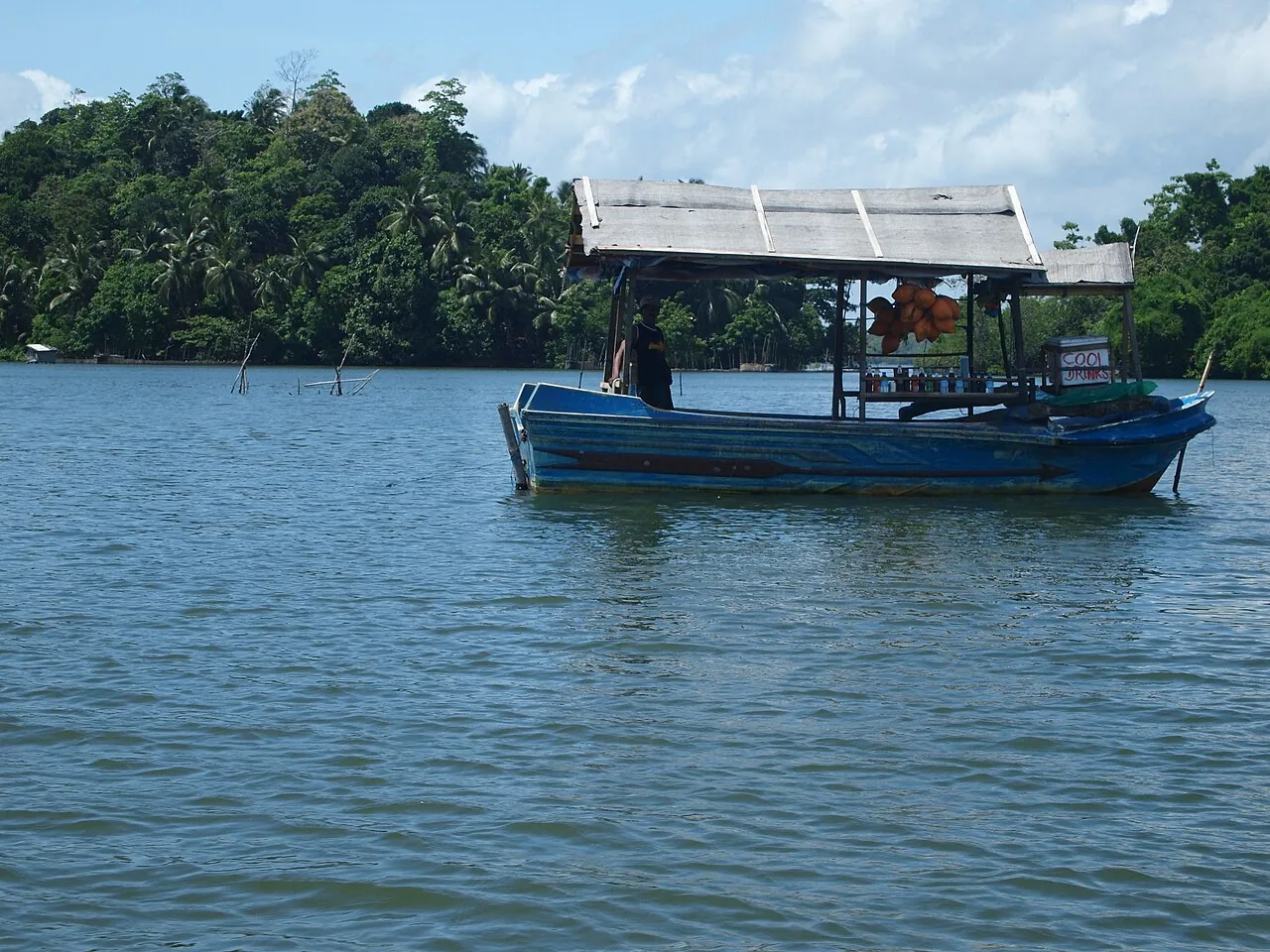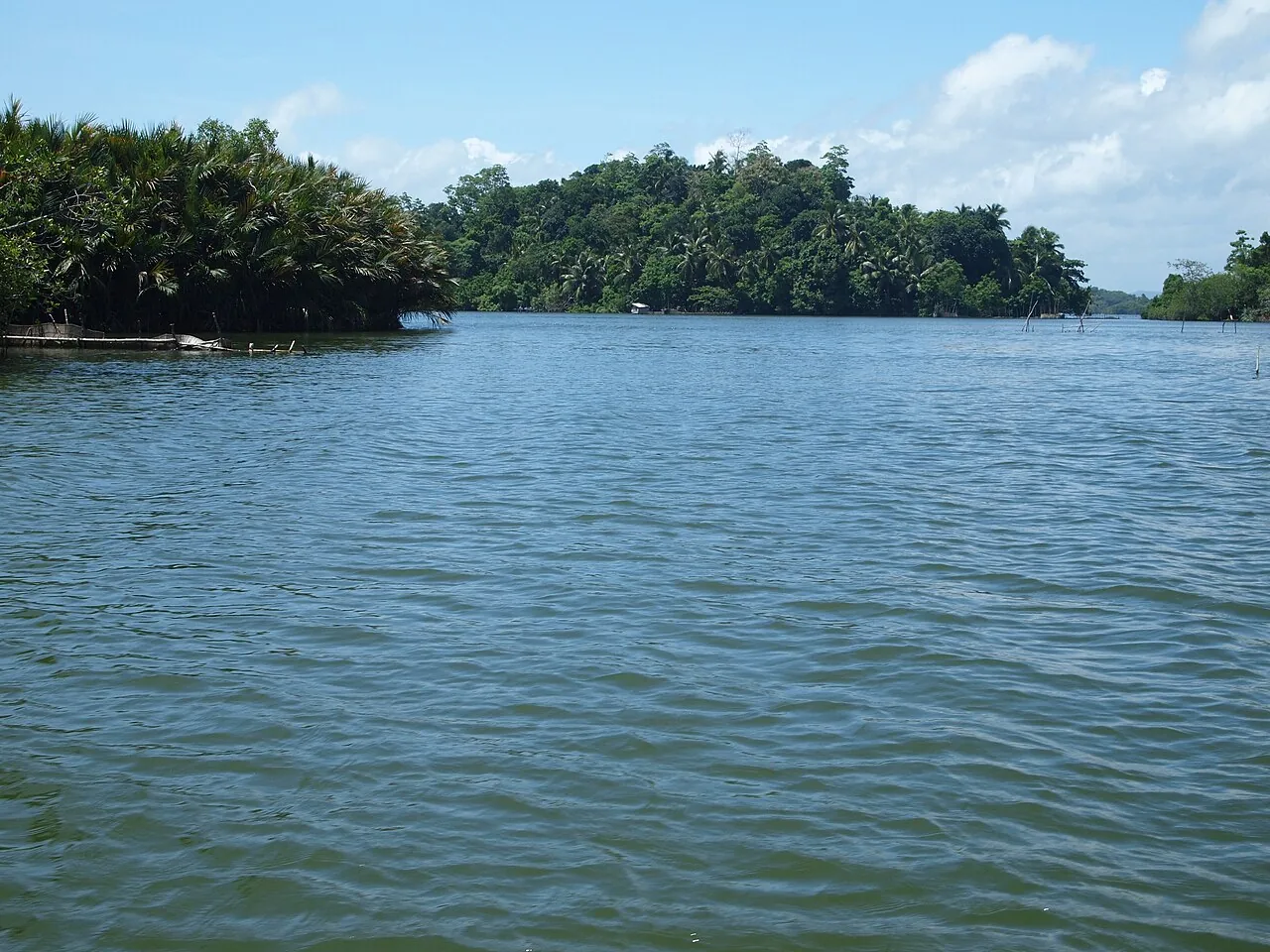
Blue water opens between densely wooded banks and islands on Madu Ganga beneath a partly cloudy sky.

Madu Ganga · Balapitiya · Sri Lanka

Madu River,
in living colour.

Kingfishers above the water. Mangrove roots below the branches. Island stories waiting around the next bend. Take a closer look at the river you’re coming to explore.

Madu Ganga, Balapitiya

A living coastal wetland

There’s a whole world
along the water.

Madu River, also called Madu Ganga, opens into an estuarine wetland near Balapitiya. Its channels, islands and mangrove edges are home to wildlife and part of everyday life for the people who live here.

NatureBirds, reptiles & tree canopiesCultureTemples, cinnamon & island lifeRamsar siteDesignated in 2003

The river’s wild side

What animals might you see?

Look across the water, along the banks and up into the trees. These species appear in published Madu Ganga records; a quiet journey gives you time to notice what is around you.

10 species to get to know

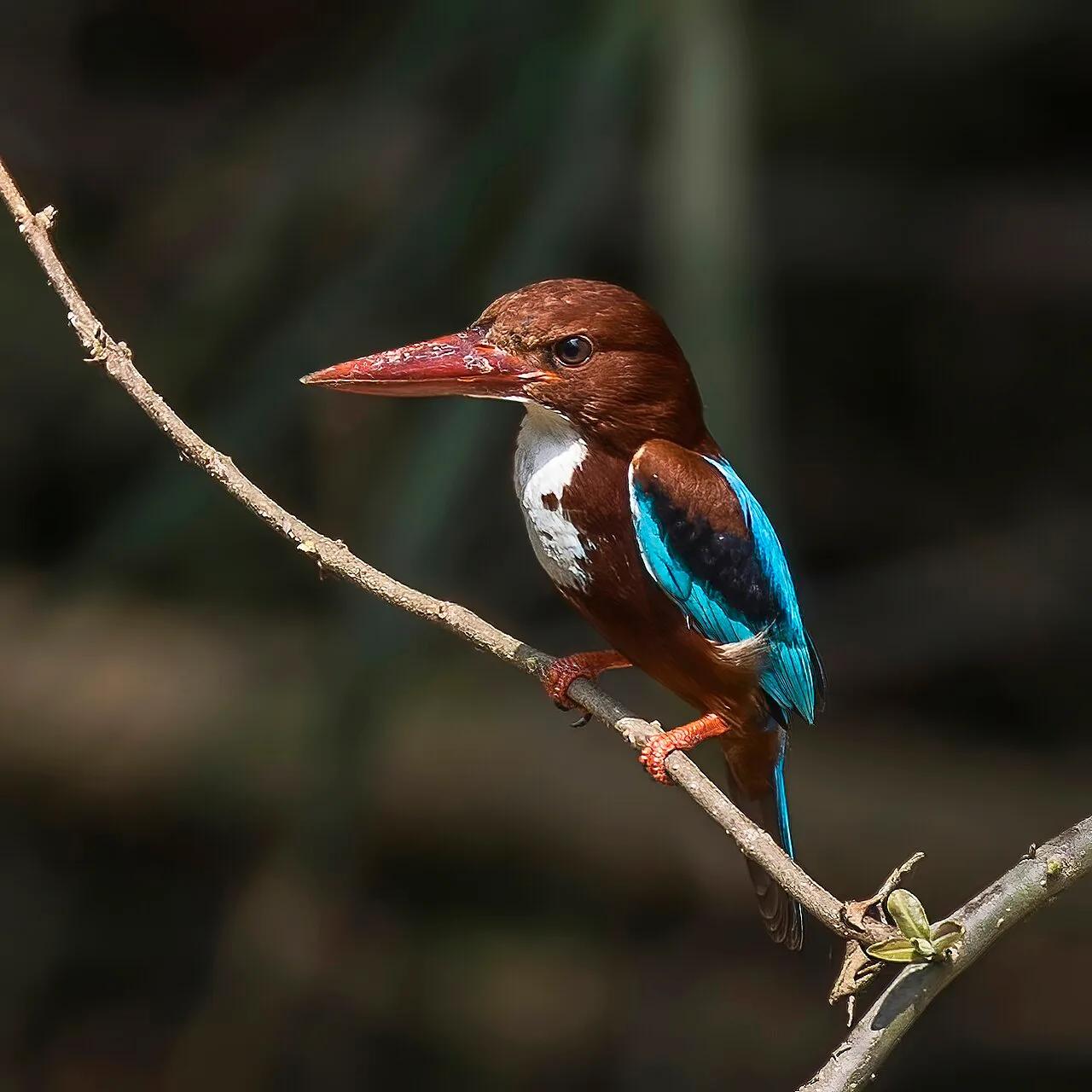
A white-throated kingfisher with a chestnut head, white throat and turquoise wings perches on a branch.Birds

White-throated kingfisher

Halcyon smyrnensis

A blue back and wings, chestnut head and white throat are useful clues. Despite its name, this kingfisher hunts more than fish: insects, frogs and small reptiles are part of its diet too. Scan waterside perches and let your guide help identify it.

Look for Perches beside waterways and wooded banks
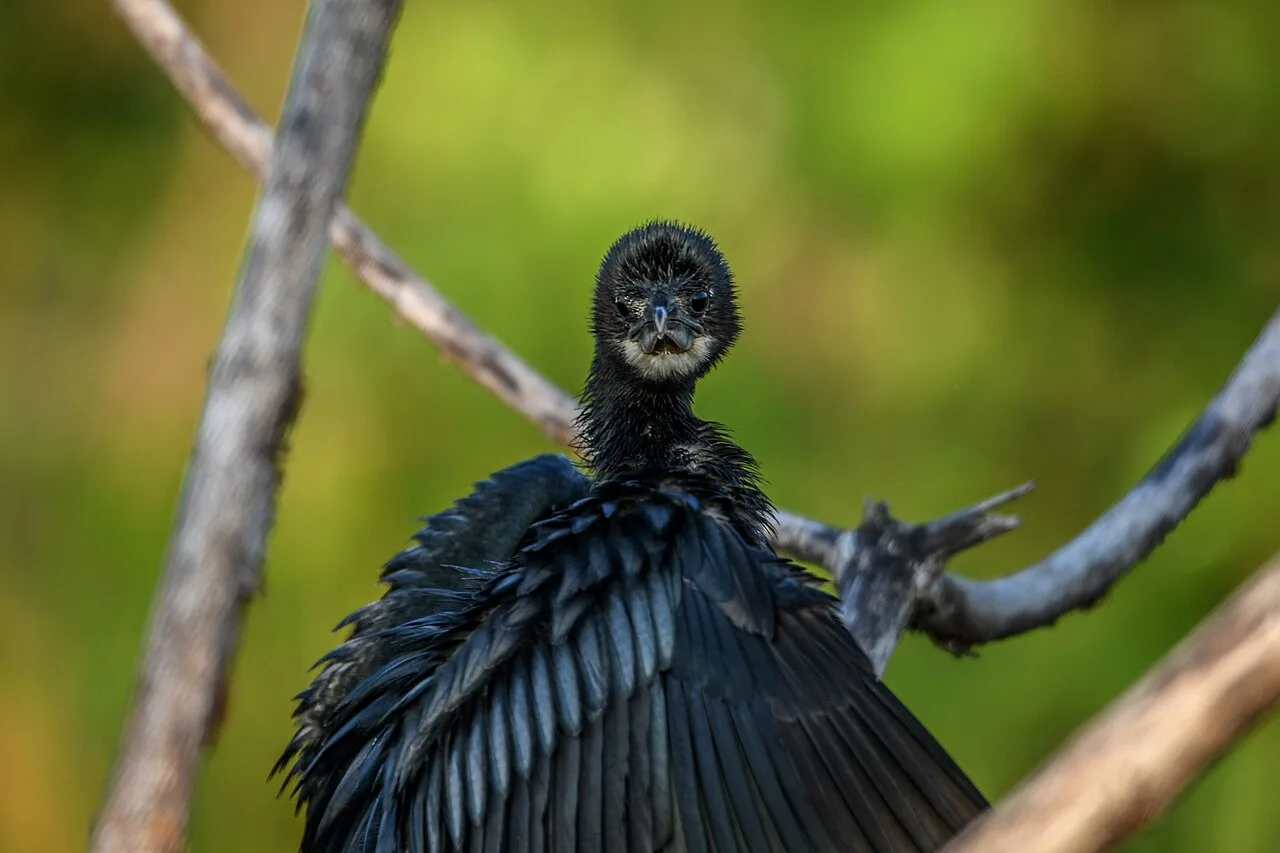
A little cormorant faces the camera with its dark wings spread on a branch.Birds

Little cormorant

Microcarbo niger

Watch for a compact, dark waterbird swimming low in the river, diving for fish or resting with wings spread. Its hooked bill and relatively small size help separate it from the larger Indian cormorant, which is also recorded in the estuary.

Look for Open water, resting branches and waterside perches

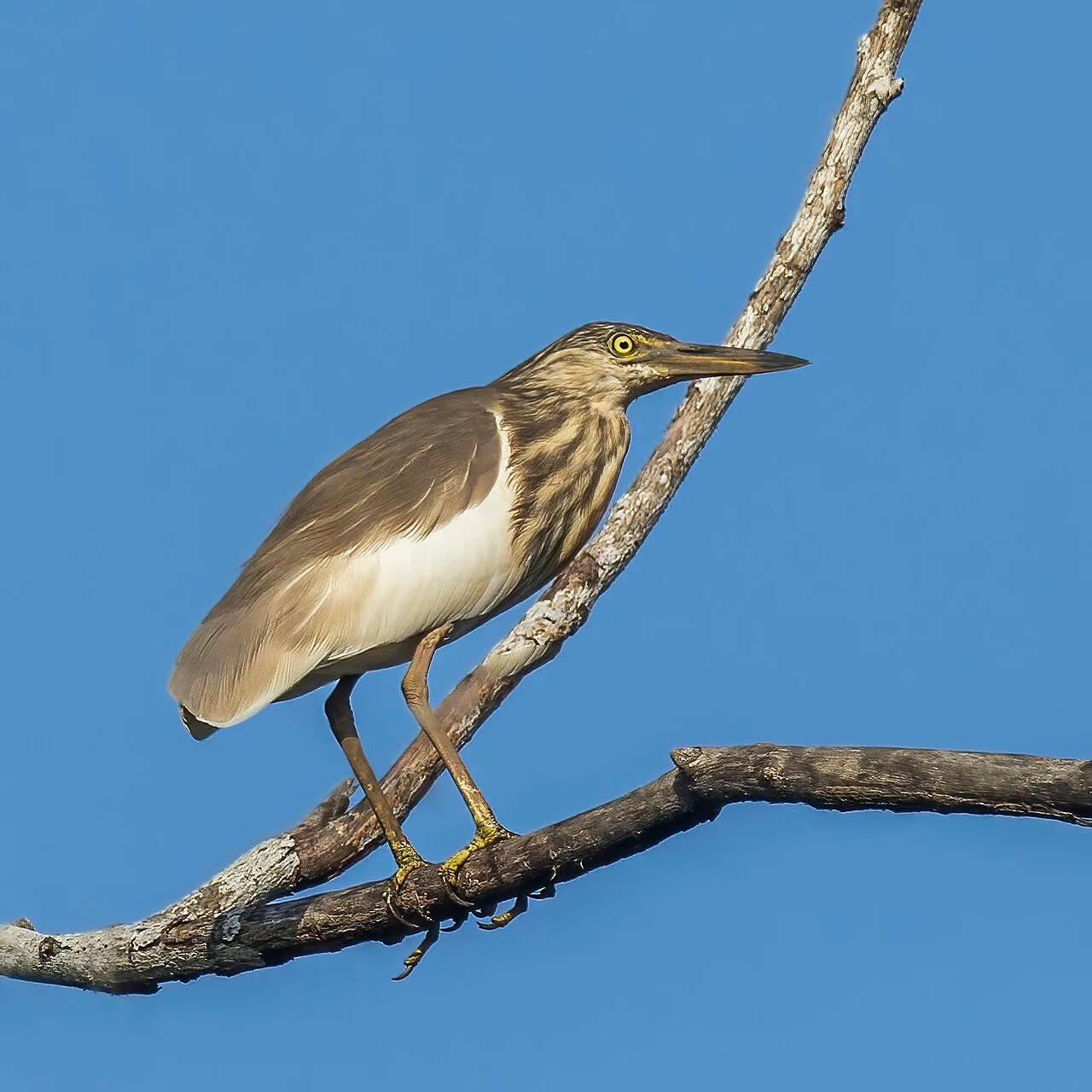
An Indian pond heron in brown non-breeding plumage perches on a branch against blue sky.Birds

Indian pond heron

Ardeola grayii

This small heron can blend quietly into a waterside edge. When it takes flight, its pale wings create a sudden change in appearance. Plumage varies with season, so watch its shape and behaviour rather than relying on one colour.

Look for Quiet shallows and vegetated water margins

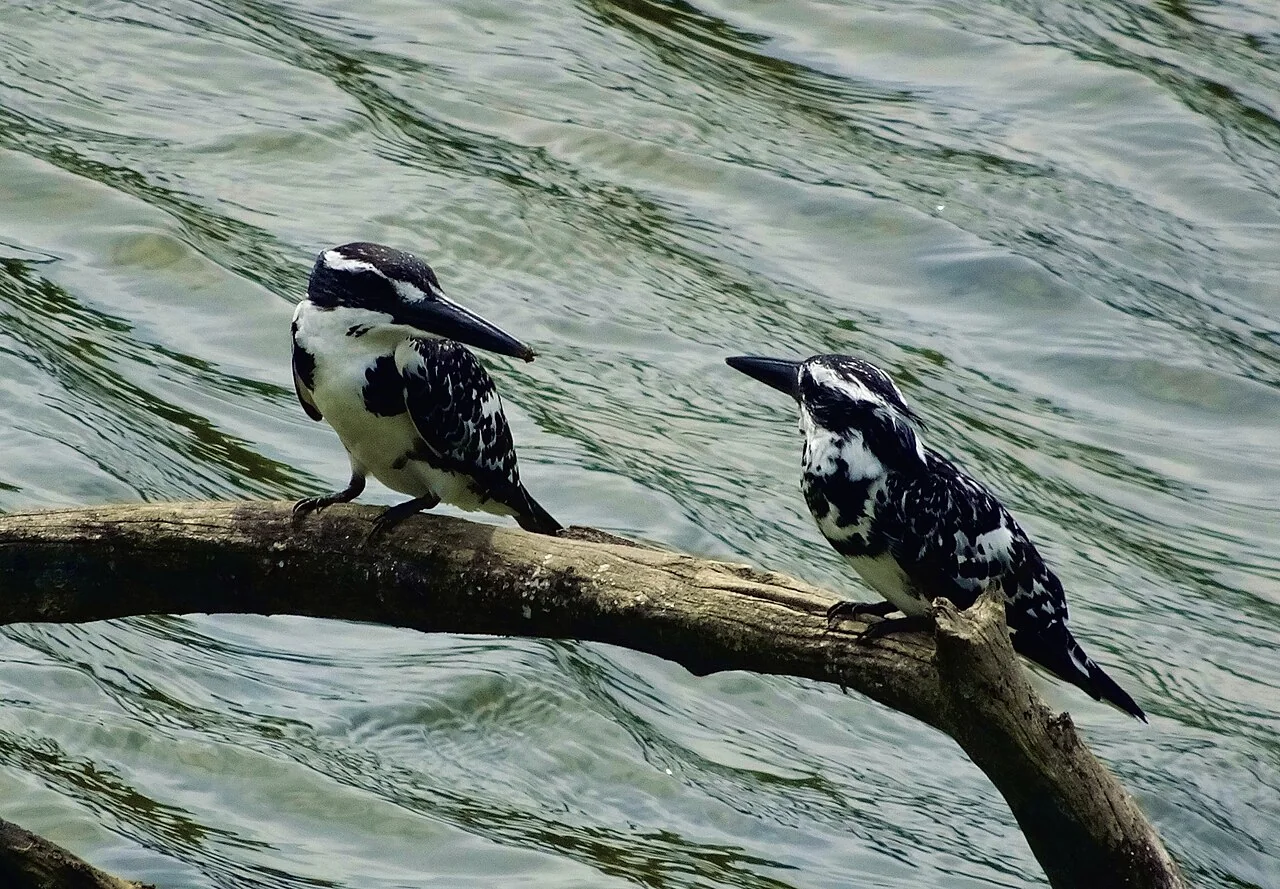
Two black-and-white pied kingfishers perched on a branch above rippling waterBirds

Pied kingfisher

Ceryle rudis

Bold black-and-white markings and a bushy crest distinguish this kingfisher. Watch waterside perches and the open water: pied kingfishers can hover before diving for prey.

Look for Waterside perches, open water and estuary edges

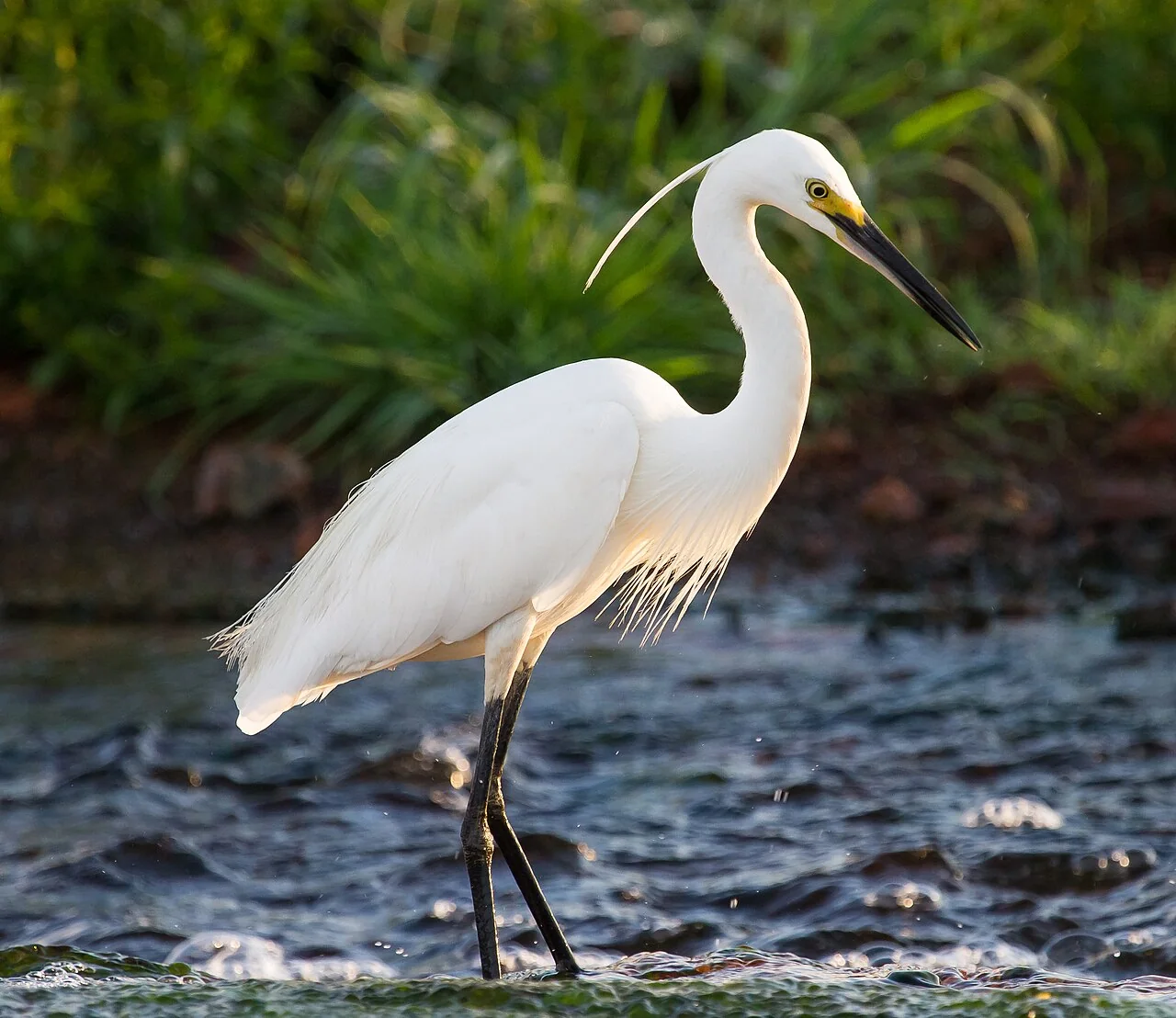
White little egret with a long black bill and fine breeding plumes standing in shallow flowing waterBirds

Little egret

Egretta garzetta

A slim white heron with a dark bill, black legs and yellow feet. Search the shallows and muddy margins for a bird stepping carefully through the water. Fine head and back plumes appear in breeding condition.

Look for Shallow water, muddy margins and mangroves

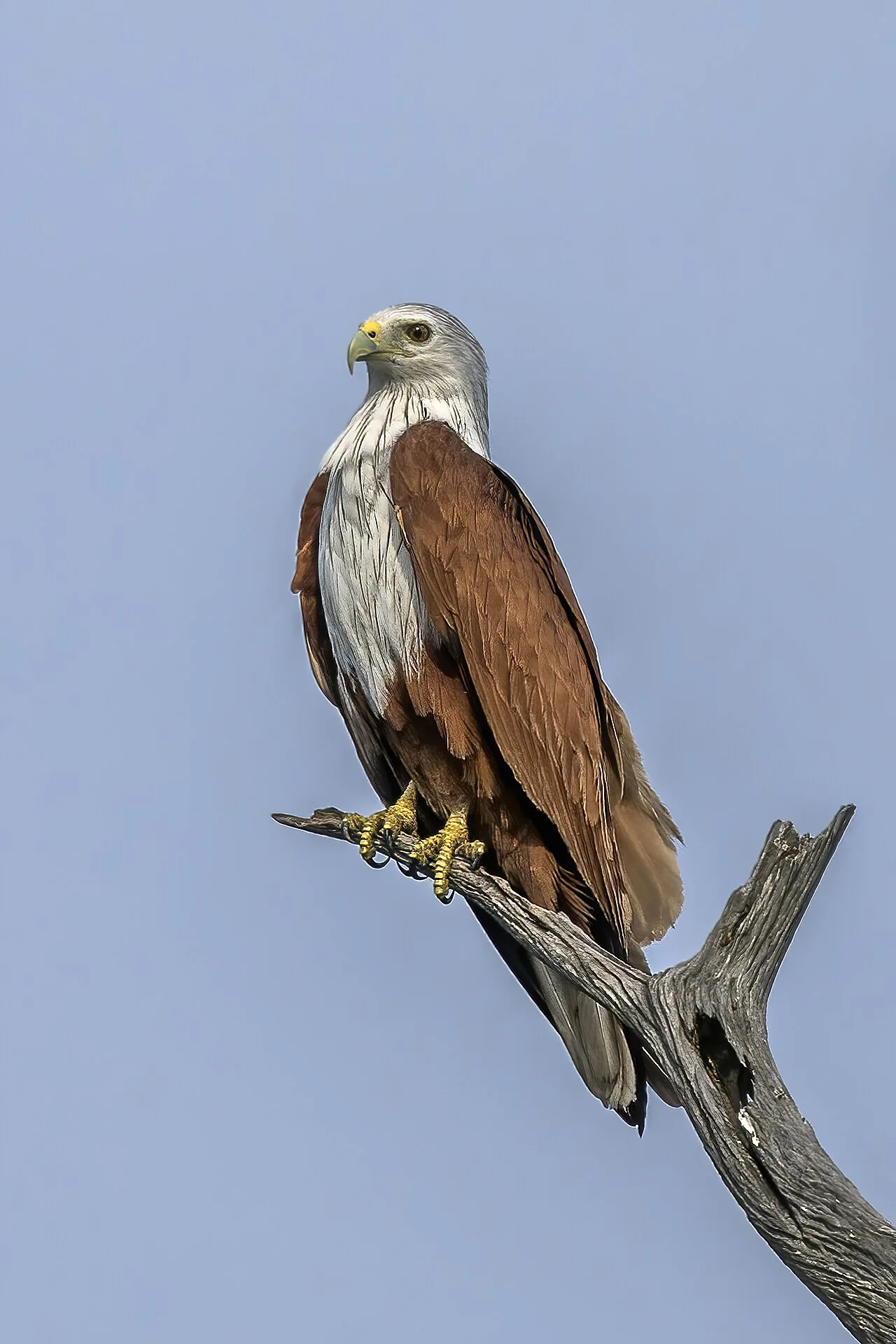
Adult Brahminy kite with a white head and chestnut wings perched on a dead branch against blue skyBirds

Brahminy kite

Haliastur indus

Adults combine a pale head and breast with rich chestnut wings and body. Look above the river for a broad-winged raptor gliding over the water and mangrove edges.

Look for Sky above waterways, estuaries and mangrove edges

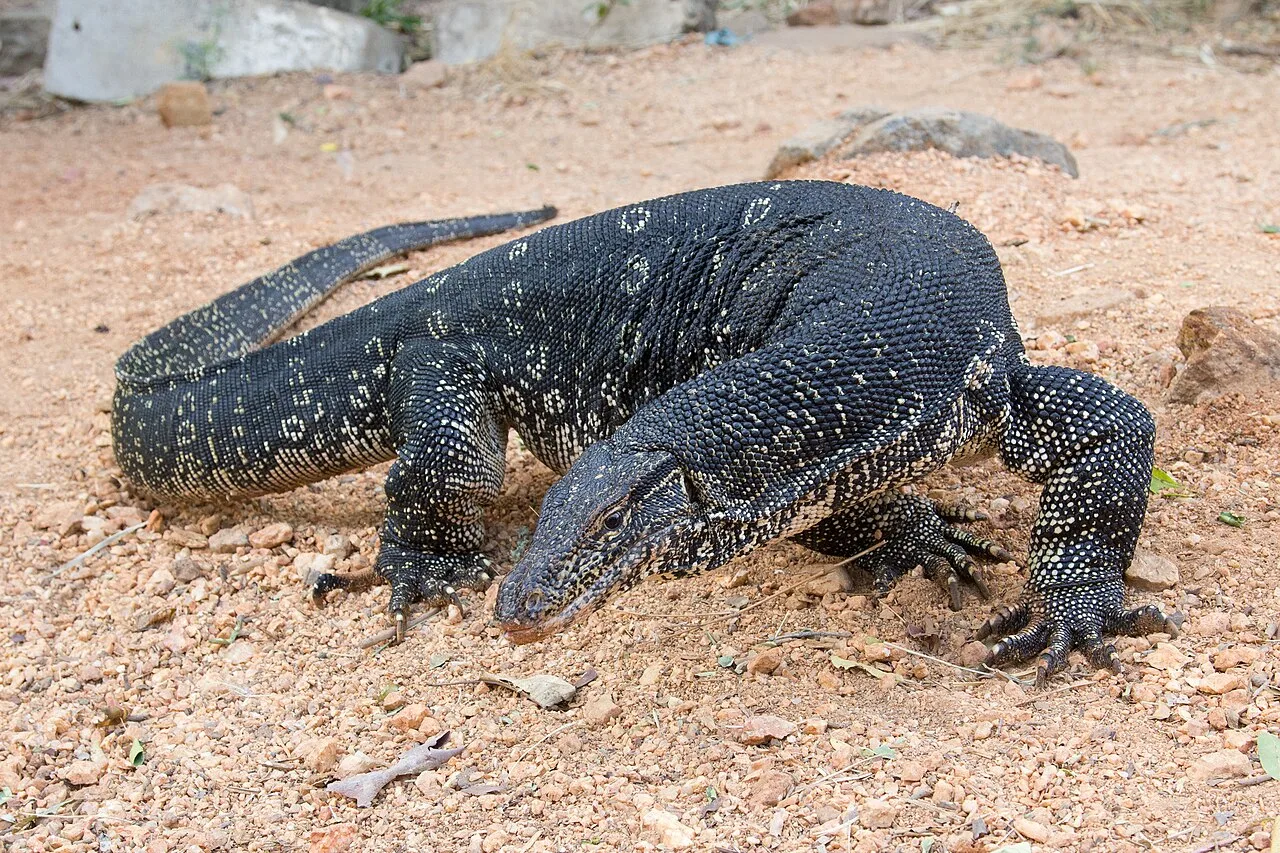
An Asian water monitor with dark speckled scales rests on stony ground.Reptiles

Asian water monitor

Varanus salvator

A powerful tail, long body and forked tongue are useful clues to this semi-aquatic lizard. Look carefully along roots, banks and the water surface. Give it space and let the guide identify it without moving closer or disturbing its resting place.

Look for Mangrove edges, banks and water

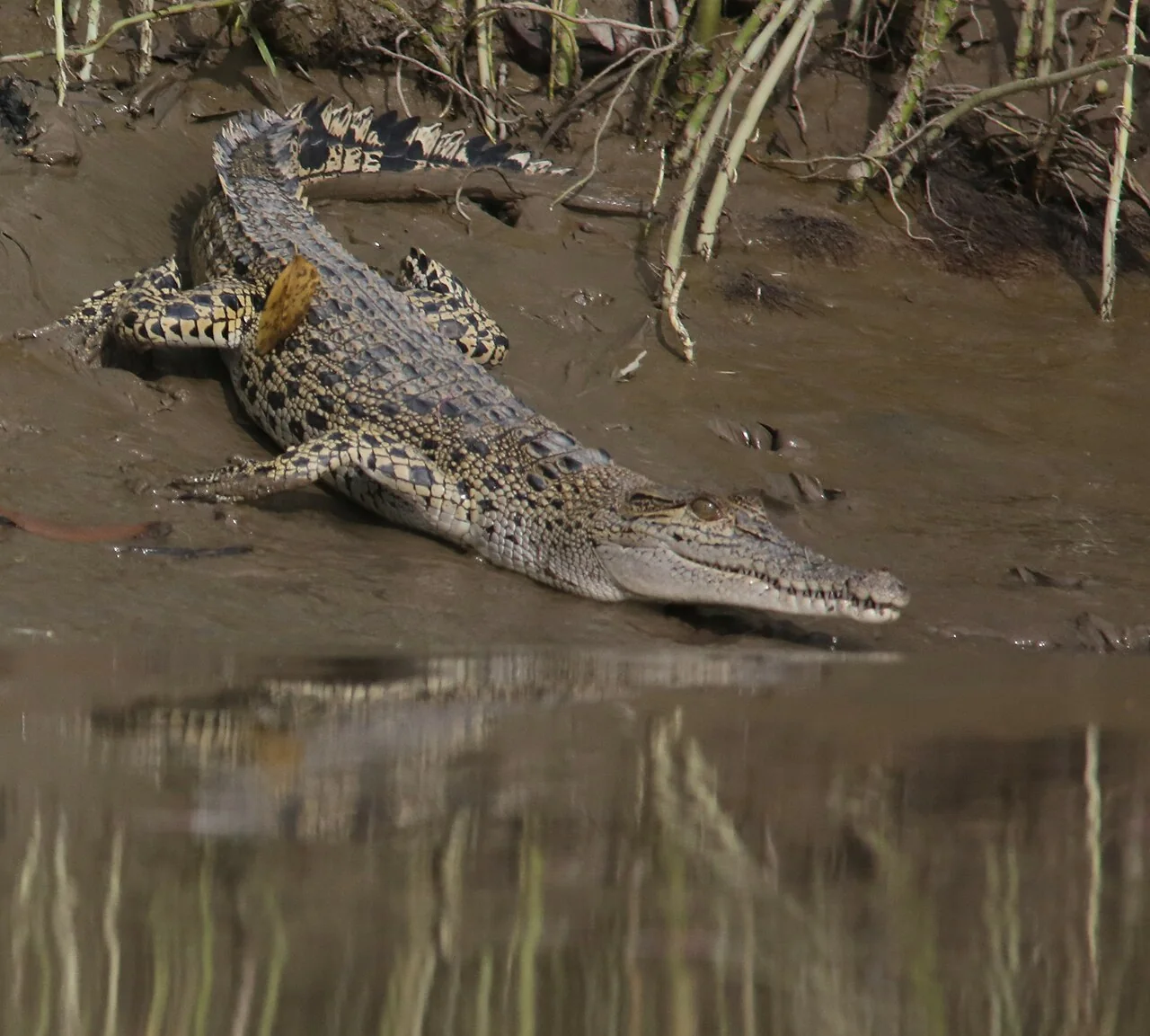
A saltwater crocodile rests on a muddy bank beside mangrove roots.Reptiles

Saltwater crocodile

Crocodylus porosus

Crocodiles form part of Madu Ganga’s recorded wildlife. A long snout, armoured back and powerful tail are useful clues to the saltwater crocodile. A wild sighting may be possible, but it is never guaranteed. Observe from the boat, follow your guide’s directions and leave the animal undisturbed.

Look for Estuary water, quiet banks and mangrove margins

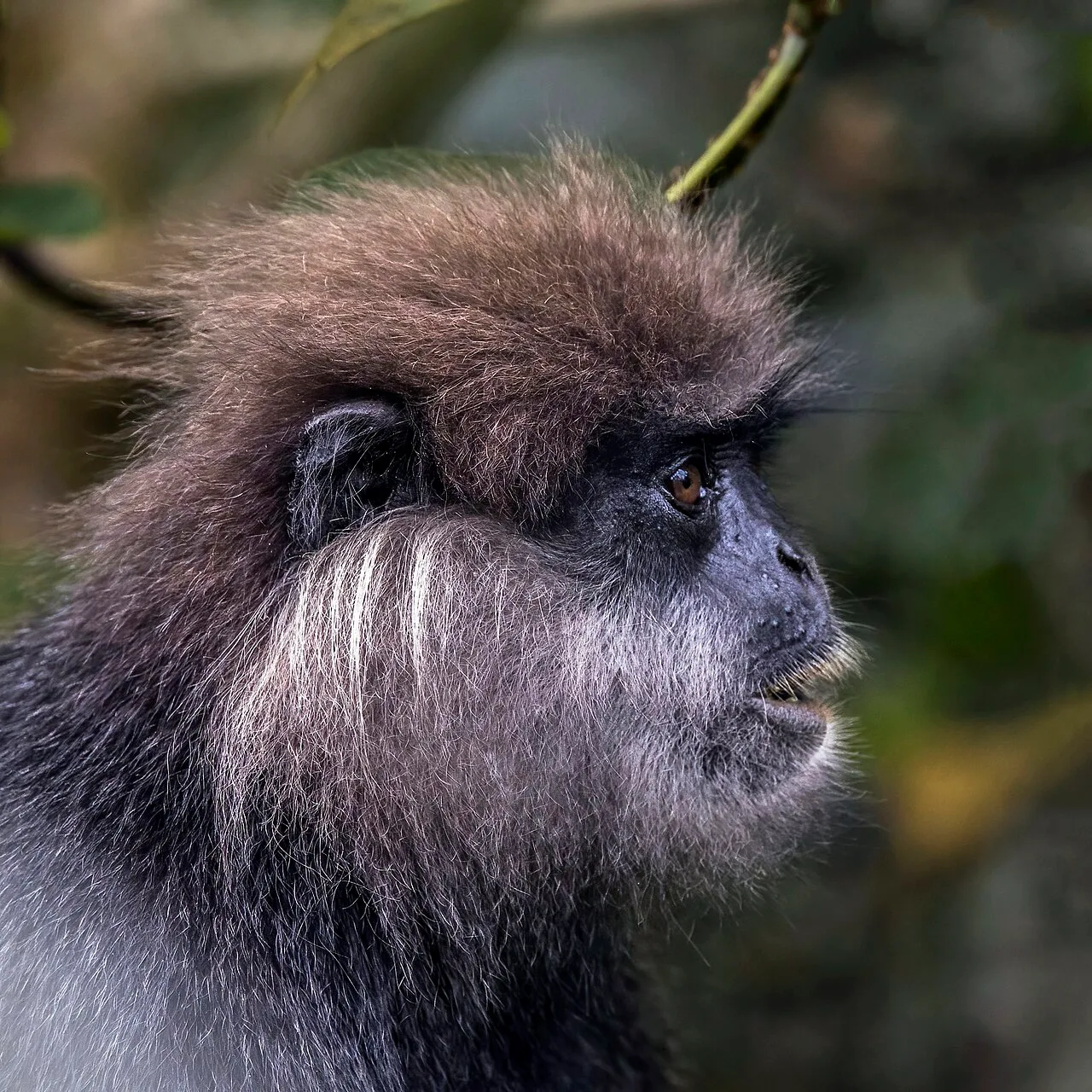
Close view of a purple-faced langur with a dark face and pale cheek whiskers.Mammals

Purple-faced langur

Semnopithecus vetulus

This Sri Lankan leaf monkey belongs to the island canopy, rather than a feeding display. Look into the branches during a quiet pause and ask your guide to identify any monkeys observed. Keep food packed away and allow animals to move freely.

Look for Wooded island canopies and trees

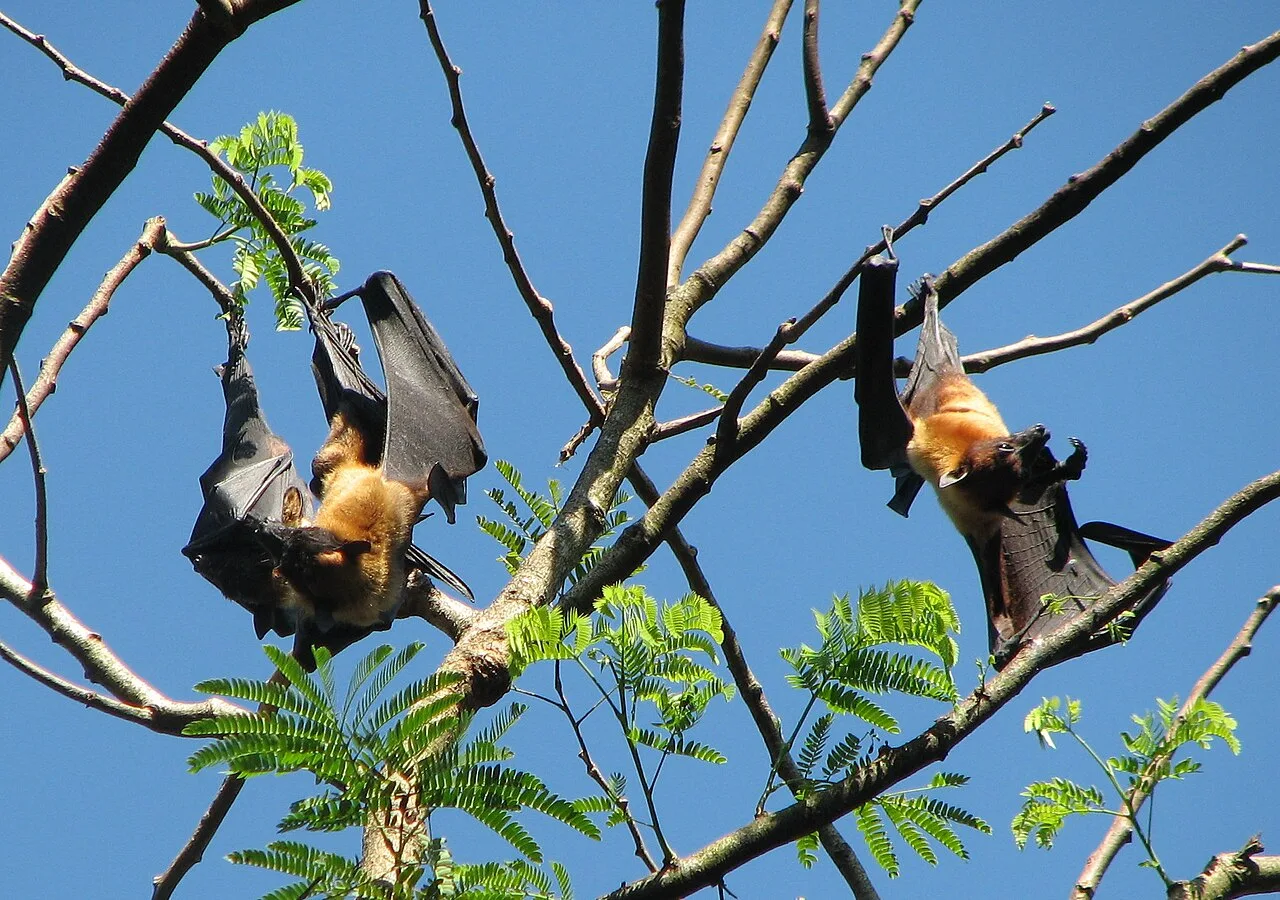
Two Indian flying foxes hang upside down from branches, their golden fur visible against blue sky.Mammals

Indian flying fox

Pteropus medius

These large fruit bats rest hanging from tree branches during the day. If your guide identifies an occupied roost, watch quietly from a distance and leave it undisturbed. They add another layer of life above the river’s bird-filled waterways.

Look for Daytime roosts in trees

Wildlife moves freely, so sightings vary with the route and conditions. Species photographs are illustrative; full photography details are on our Photo Credits page. The species records are drawn from IUCN’s 2002 assessment, rather than a current sighting checklist.

Take time. Keep your distance. Bring binoculars if you have them, keep food packed away and let the guide identify animals without feeding, touching or disturbing them.

More wildlife guidance

You don’t need to know every name

Look, watch, then ask.

Birdwatching begins with a few simple clues. Let your guide help you connect each bird with its habitat.

  1. 01

    Find its place

    Look on branches, along the water’s edge, on open water and overhead.

  2. 02

    Watch what it does

    Is it resting, diving, searching the shallows or circling above the river?

  3. 03

    Notice the clues

    Compare size, bill shape, colours and movement before asking for a name.

More birds recorded at Madu Ganga

These examples appear in IUCN’s assessment published in 2002. They describe historical wetland records; each departure brings different sightings.

Bird groups in the historical Madu Ganga records
Bird groupExamples recorded
KingfishersWhite-throated, common, stork-billed and pied kingfishers
HeronsIndian pond heron and purple heron
EgretsLittle egret
CormorantsLittle cormorant and Indian cormorant
Birds of preyBrahminy kite
Waterside vegetationWhite-breasted waterhen

Look beneath the leaves

Meet the mangrove trees.

Start with three root shapes, then meet Gin Pol and the red-flowered Rathamilla. The photographs and simple illustrations give you clues to discuss with your guide.

Three root shapes to recognise

Tall-stilt mangrove trees beside an estuary in Sarawak, Malaysia

Stilt-root mangrove

Rhizophora apiculata

Stilt roots
Illustrated root shape

Look for roots arching from the trunk and branches into soft mud. A long seedling can develop while still attached to its parent tree: see whether you can spot one hanging above the water. Keep the roots and seedlings untouched.

Look for Tidal mud and mangrove-lined waterways

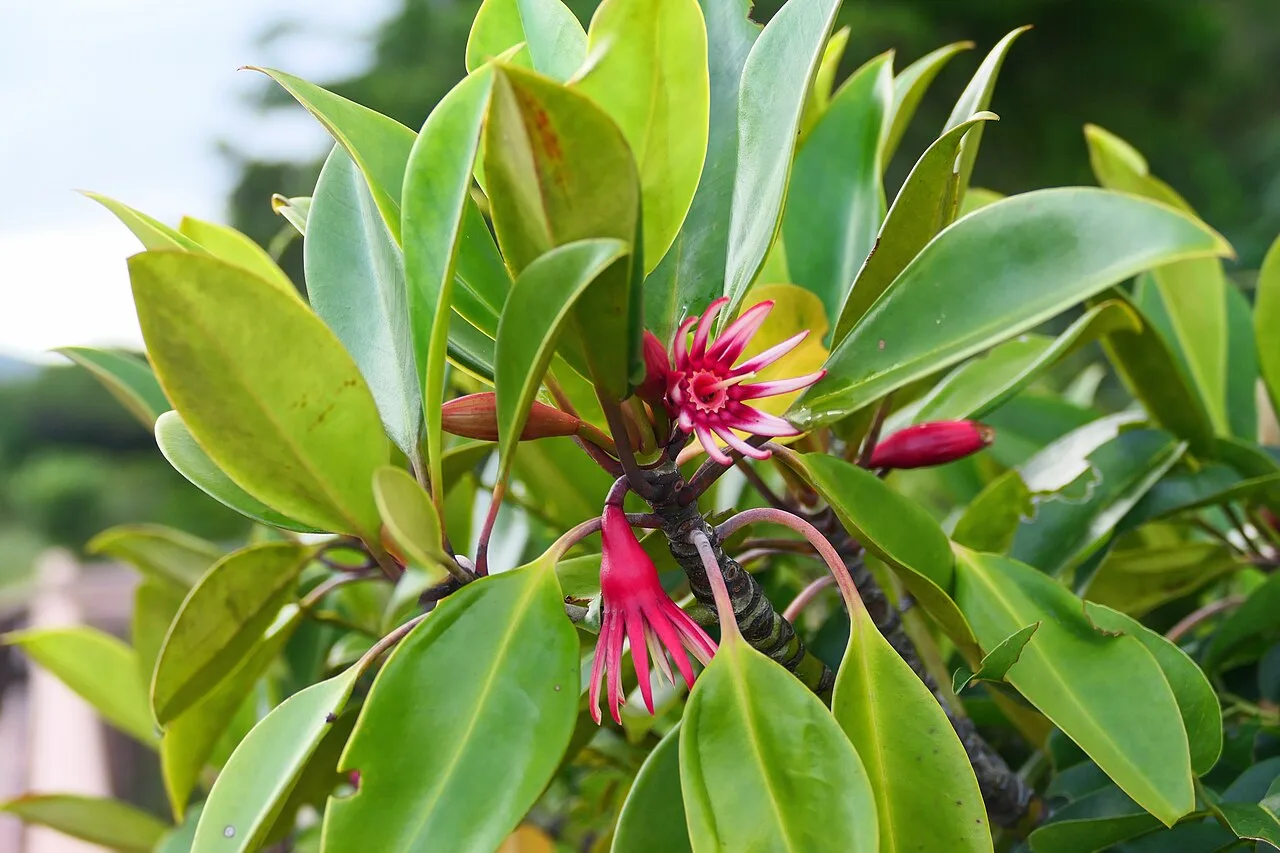
Bruguiera gymnorhiza flowers and broad green leaves in Okinawa, Japan

Large-leaved mangrove

Bruguiera gymnorhiza

Knee roots
Illustrated root shape

Broad leathery leaves and roots that bend above the mud are good features to discuss with your guide. This mangrove develops distinctive knee-shaped roots, while its flowers can show reddish calyxes. A close botanical explanation is more useful than guessing from foliage alone.

Look for Waterlogged mangrove ground and sheltered banks

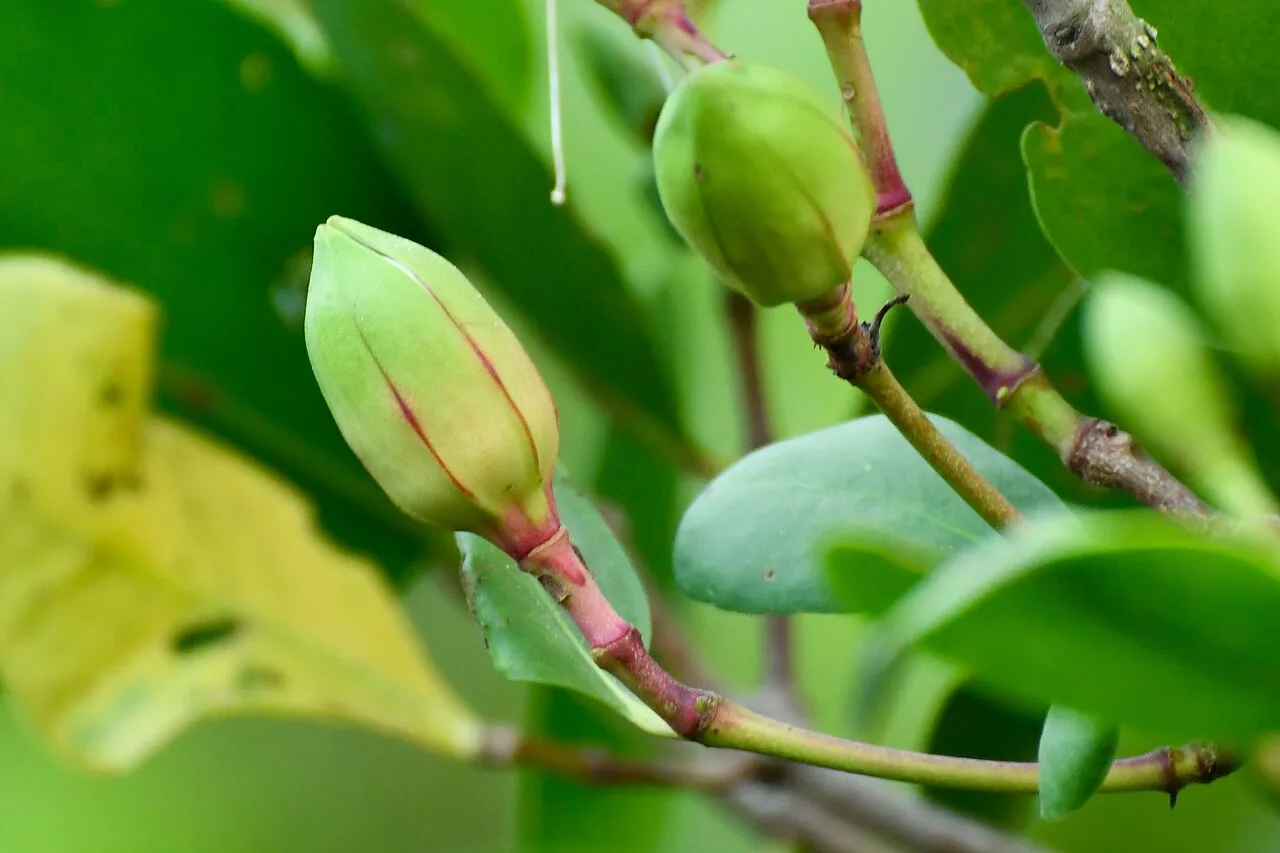
Green flower buds of Sonneratia caseolaris on a reddish stem in Kannur, India

Kirala · mangrove apple

Sonneratia caseolaris

Breathing roots
Illustrated root shape

Kirala has upright breathing roots around its base, rounded fruit and flowers that open at dusk. On a daytime safari, look for the roots, leaves and any fruit present. Flowers and fruit are seasonal, so enjoy the features visible on your visit.

Look for Brackish backwaters and upper tidal river margins

Two plants with a story

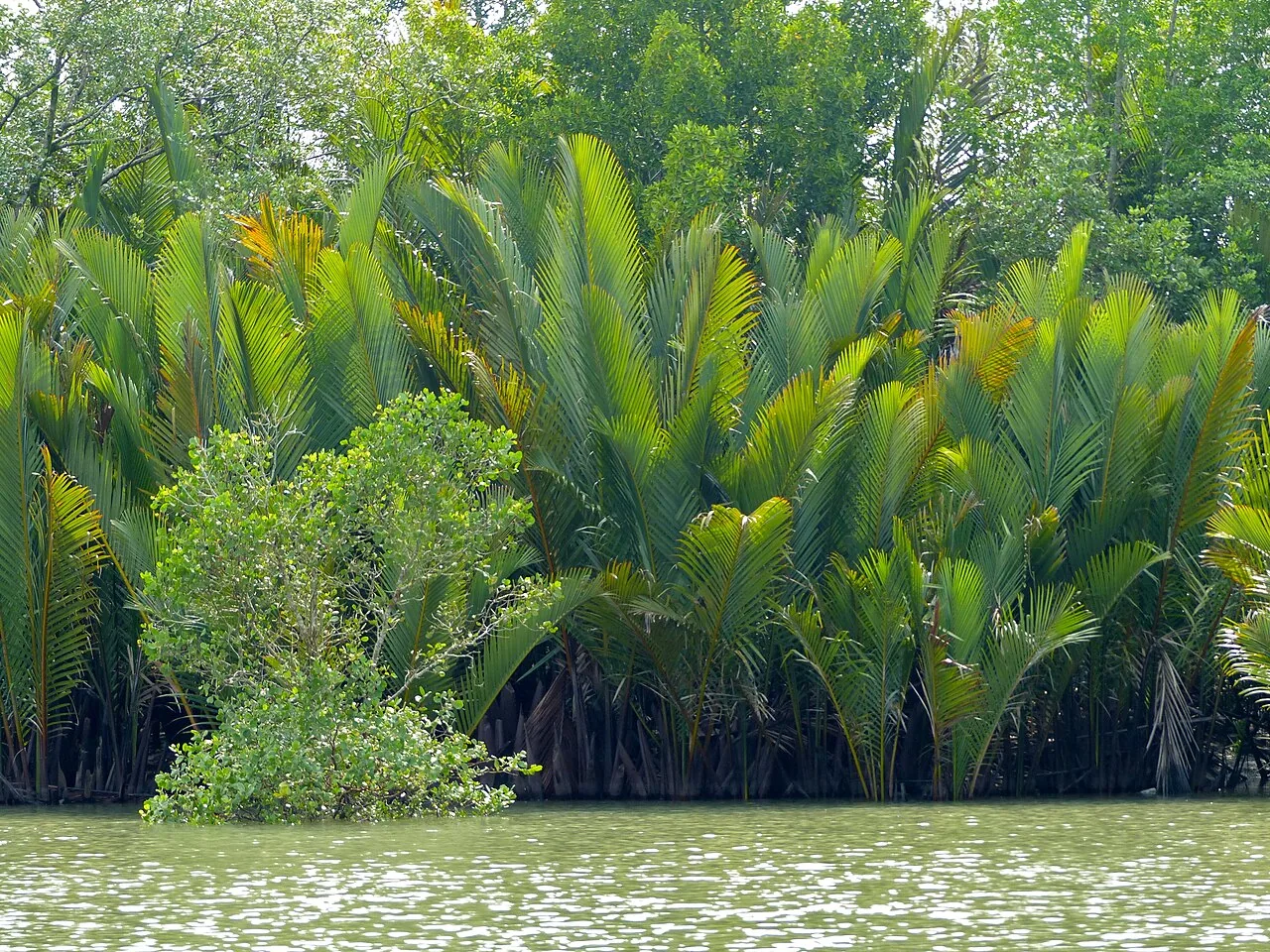
Dense feather-like fronds of Nypa fruticans palms growing beside water in Sarawak, Malaysia.

Gin Pol · mangrove palm

Nypa fruticans

Gin Pol is a mangrove palm with tall, feather-like fronds rising from a creeping stem hidden below the ground. When present, its rounded clusters of brown fruits are another useful clue. It is recorded in historical Maduganga wetland surveys; sightings depend on the route.

Look for Mangrove palm stands; viewing depends on the route

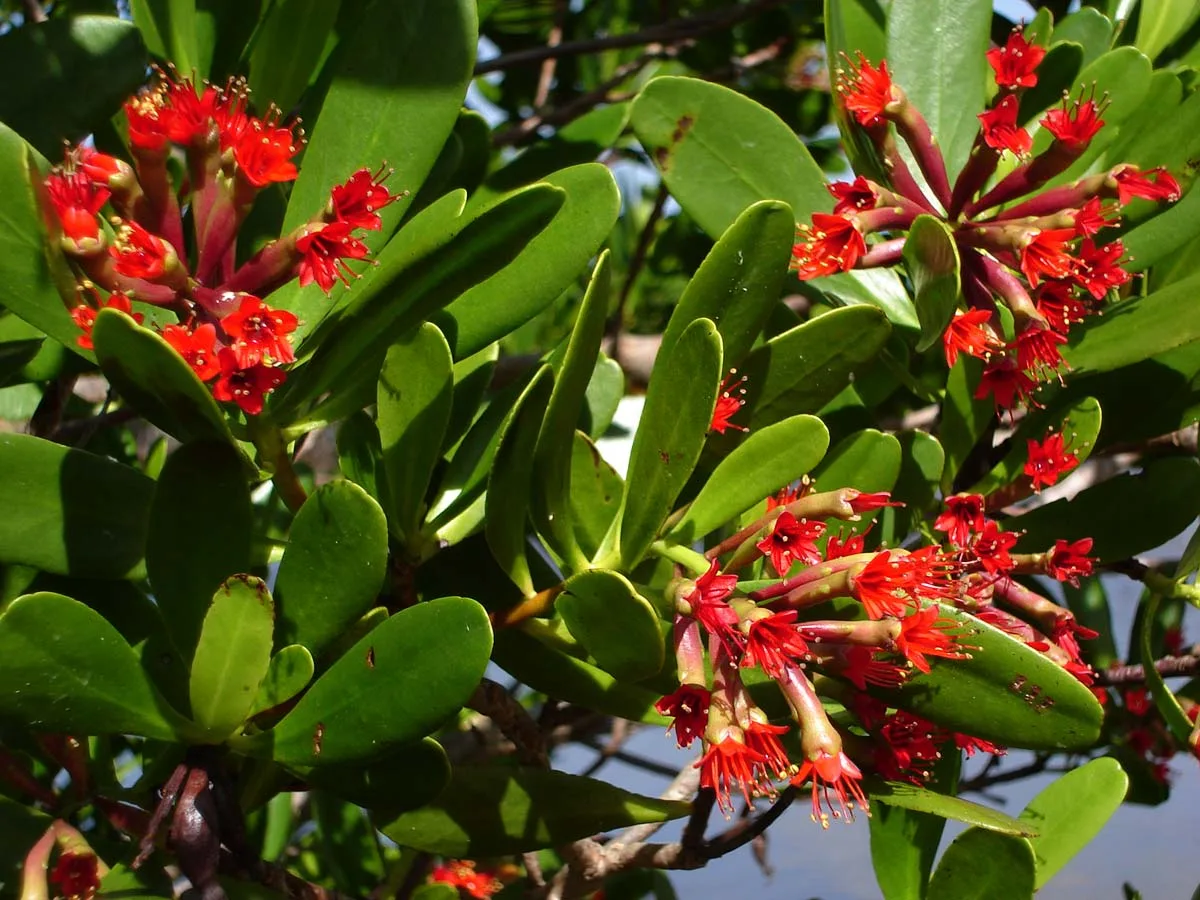
Red flowers and leaves of Lumnitzera littorea, photographed in Tonga. Educational species photograph, not a Madu River location photograph.

Rathamilla

Lumnitzera littorea

Red flowers and thick, fleshy leaves make Rathamilla distinctive. The species is Critically Endangered in Sri Lanka’s 2020 National Red List. Research records populations at both Madu Ganga and Bentota, with limited regeneration reported at Madu Ganga.

Look for Mangrove habitat; viewing depends on the agreed route

Read the Rathamilla story

The photographs illustrate the identified plants. Flowers and fruit are seasonal, and access to individual trees depends on your route.

A forest that supports the river

Why mangroves matter.

Much of the story happens beneath the branches. Roots, fallen leaves and wetland soils all have a part to play.

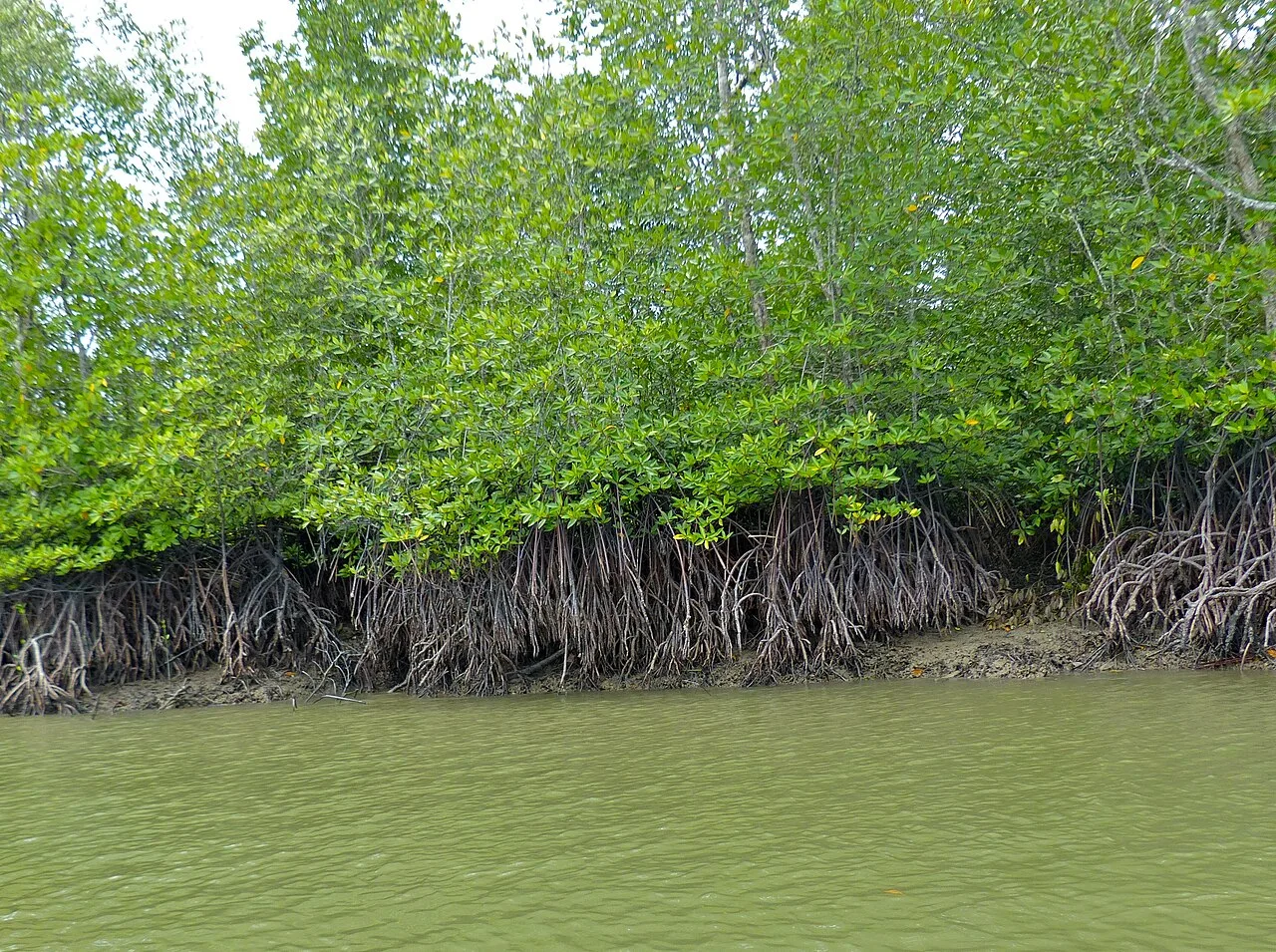
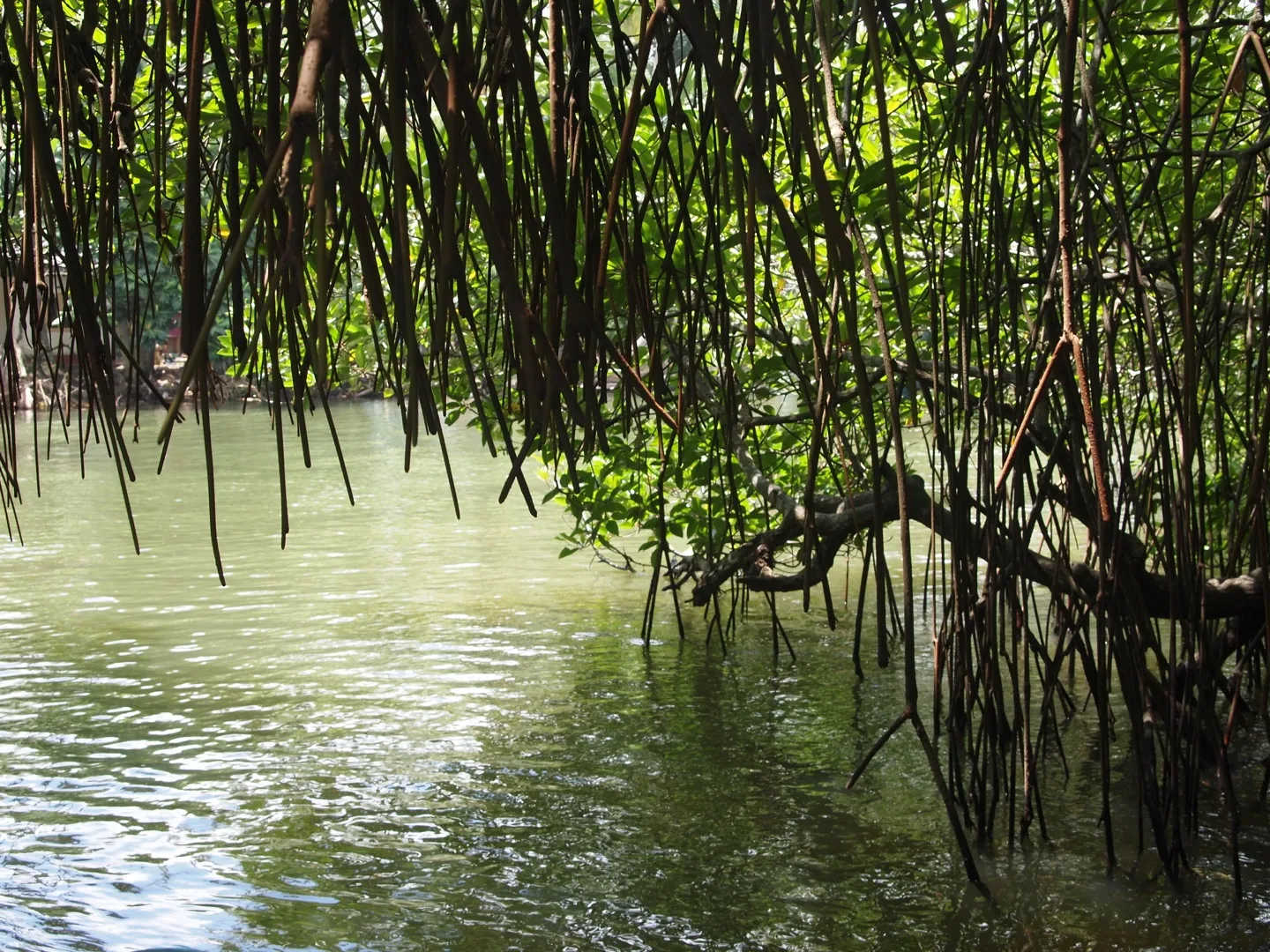
Hanging mangrove roots over a quiet Madu Ganga channel.
Madu Ganga’s roots and waterways: habitat above and below the waterline.
Roots shelter young aquatic animals

Below the branches, tangled roots create places for small fish and invertebrates to find food and shelter. The habitat continues beneath the surface, even when the water hides it from view.

Madu Ganga’s 2003 Ramsar information sheet describes prawns that spawn at sea and enter the lagoon as young stages when its mouth is open. They feed and shelter among mangrove roots before moving seawards as they grow.

Fallen leaves help recycle nutrients

Fallen leaves and branches become part of the wetland’s food web. Microorganisms break down this material, returning nutrients and creating food for small organisms. Mangrove life depends on these connections as well as on the trees we can see.

Roots help stabilise the shoreline

Mangrove roots slow moving water, allowing suspended sediment to settle around them. This helps build the muddy ground and reduce shoreline erosion. Look at the root network from the boat and leave banks and young plants undisturbed.

The wetland temporarily holds rainwater

Ramsar recognises Madu Ganga’s role in storing water during monsoon rains. This temporary retention links the wetland to surrounding communities as well as wildlife. Water levels also depend on rainfall and whether the lagoon mouth is open; wetland storage does not prevent every flood.

Carbon is also stored in the soil

A study published in February 2026 measured organic carbon in mangrove soils at Madu Ganga and Madampa Lake. Samples reached 90 centimetres below the surface, showing why conservation needs to consider the ground beneath the trees too.

The researchers found that soil carbon stocks vary with plant communities and soil conditions. This research measures stored carbon; it does not calculate a carbon offset for an individual boat safari.

A small discovery for your river day

Look for a root arch, a knee-shaped root or an upright breathing root. If the water covers them, ask your guide to explain with the photographs here. Keep hands clear and leave roots, seedlings, leaves and flowers in place.

Read the full wildlife & mangroves guide

Places with a story

Islands, craft & river life.

Some experiences are viewed from the boat; others involve going ashore. Explore these island guides alongside scenes from across Madu Ganga. Learn the history and what to check in your chosen itinerary.

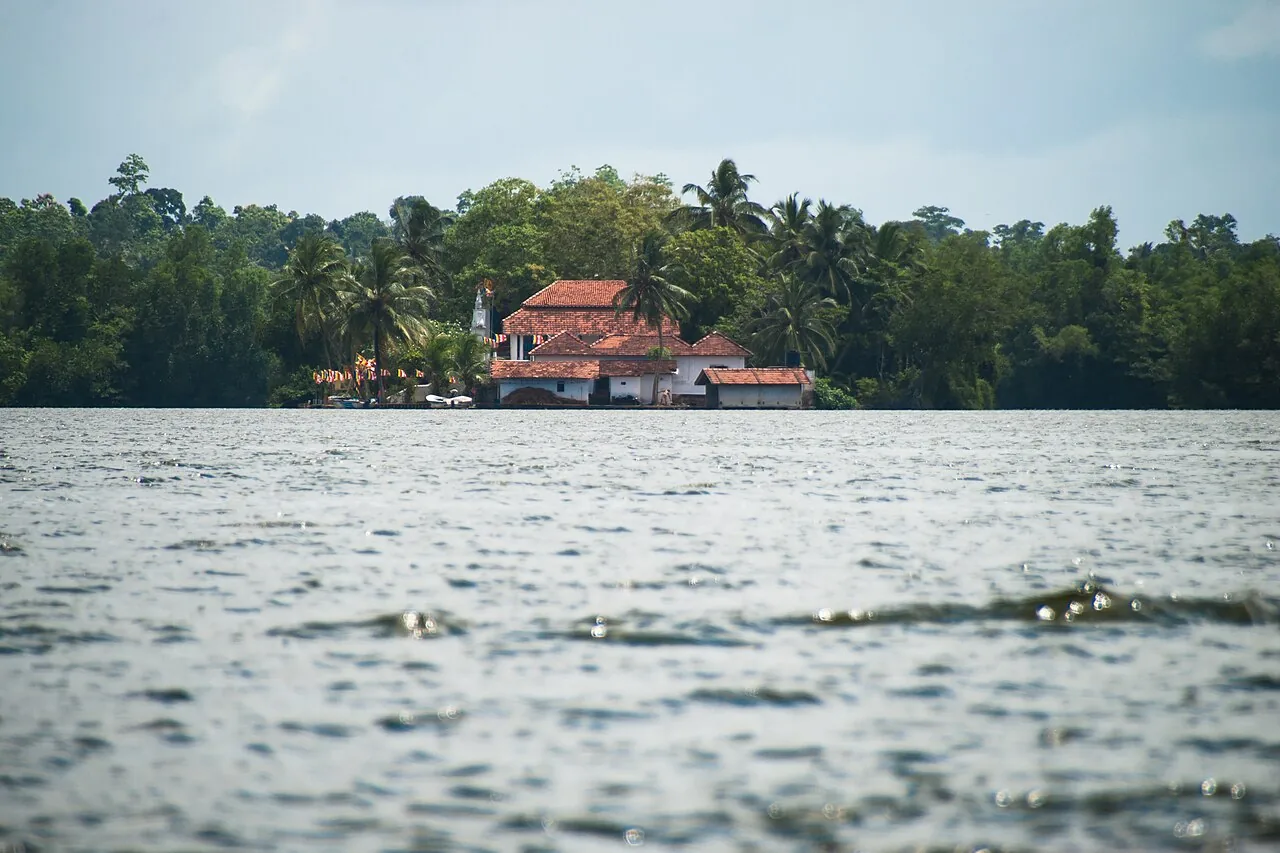
The red roofs and white walls of Kothduwa Temple appear across Madu Ganga beneath dense green trees.

Temple & heritage

Kothduwa Temple

A Buddhist temple on the river, with architecture, traditions and quiet island surroundings. Choose the longer Private route for its planned temple landing.

Explore the guide
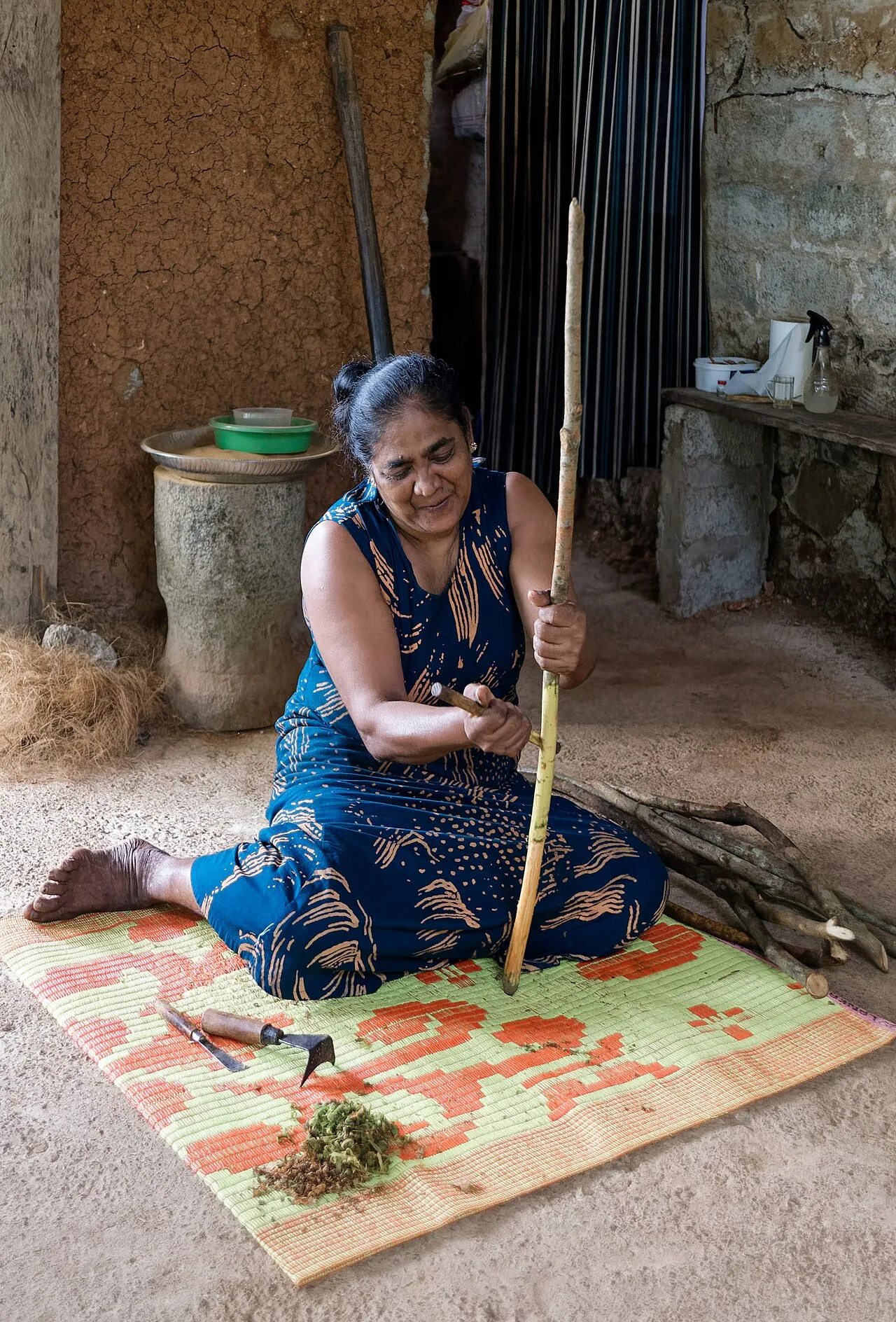
Cinnamon bark being prepared by hand on Galman Duwa island at Madu Ganga

A living craft

Cinnamon Island

See how cinnamon bark is prepared and discover the work behind a Ceylon cinnamon quill. Read the story before your planned demonstration.

Explore the guide
Green waterside vegetation and coconut palms reflected in a sheltered stretch of Madu Ganga.

Nature & conservation

Naiduwa Island

Explore the records behind the name Cobra Island and its place in the wetland’s conservation story. Ask your guide to identify it along the route.

Explore the guide
A small blue floating shop with a pitched roof sits on Madu Ganga with a wooded bank behind it.
River life on Madu Ganga

Between the named stops

Leave room for the river itself.

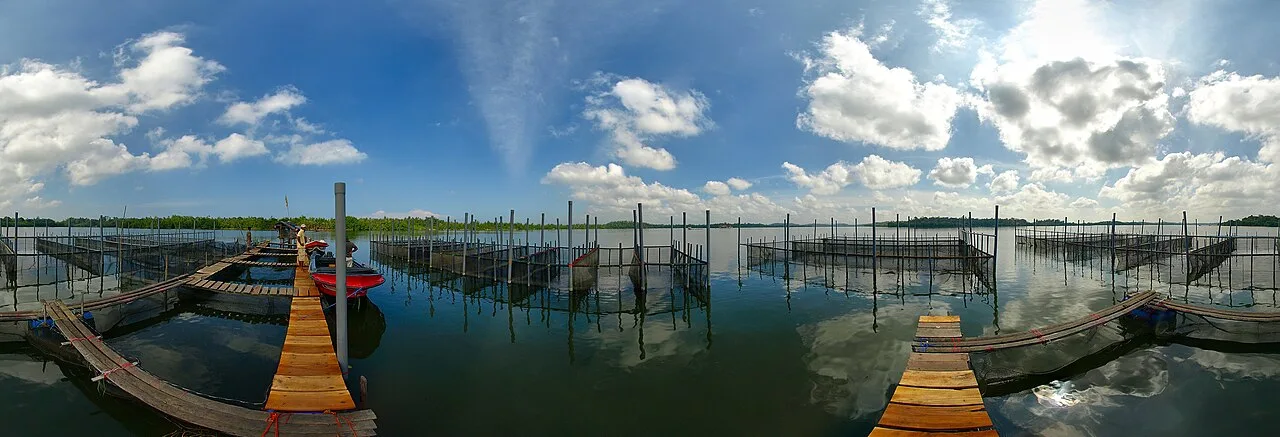
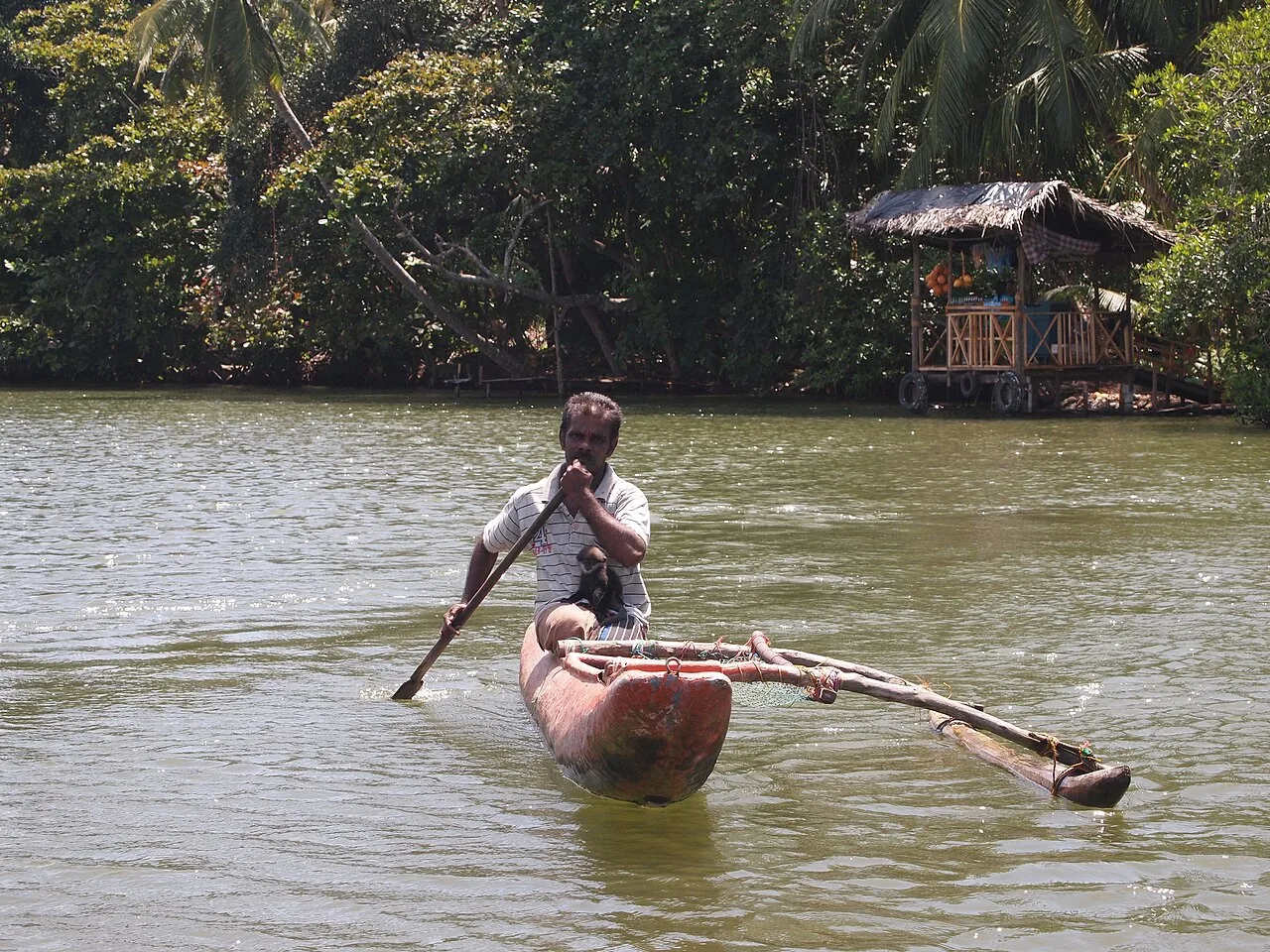
A canoe passing a quiet bank, a fishing structure on the water, a change in the shape of the shoreline. The moments between island stops are part of discovering Madu Ganga too.

Named guides describe the destination. They do not mean that every island has a public landing or that every safari follows the same route.

Make it your river day

Choose a route
for what you love.

Enjoy a shorter introduction, make time for island culture, or slow down for the birds. Compare the actual itinerary, duration and inclusions in Safari Packages.

Find your safari