Where Maduwa fits into the river landscape
The Coast Conservation Department describes Madu Ganga as an estuarine lagoon and lists Ma Duwa among its islands surrounded by water throughout the year. This is a coastal wetland, so the familiar name ‘Madu River’ does not describe every part of its geography.
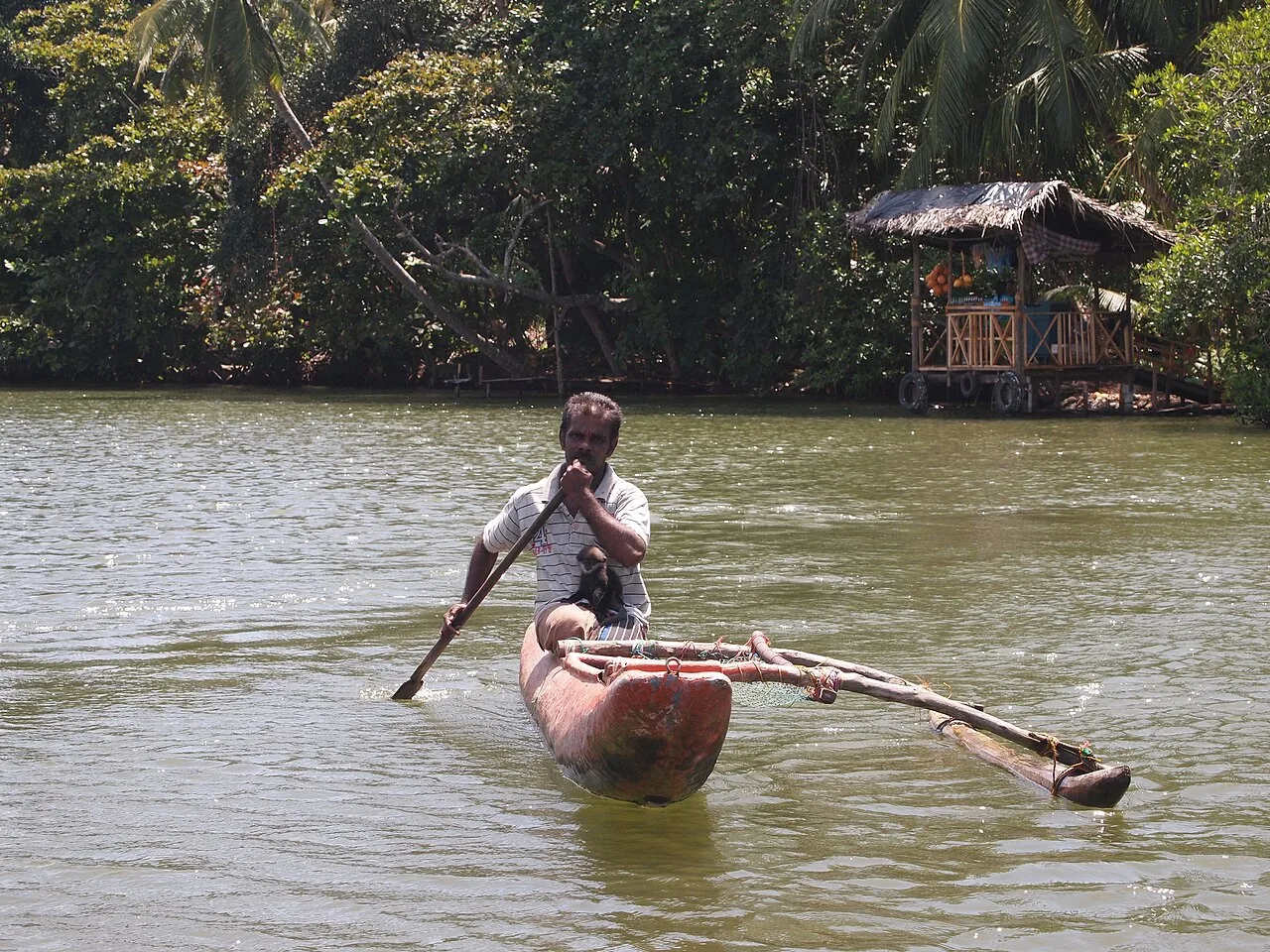
A boat journey is a good opportunity to compare the wooded water’s edge with the land behind it. Rather than treating every green shoreline as the same habitat, look for changes in roots, tree shapes and the spaces between channels. Ask the guide which features are natural vegetation and which reflect human use.
A documented chapter in Maduwa’s history
A particularly clear record comes from November 2010. Mangroves for the Future reported that a regional field visit stopped at the Ma Duwa multipurpose visitor centre. Visitors watched a film about the wetland’s history, culture and economic importance. The report also described community benefits associated with the centre and the Maduganga Development Foundation.
This is evidence of Maduwa’s role in environmental education at that time. It does not confirm that the same centre or programme operates today. The sources reviewed for this guide do not establish an earliest settlement date for the island; its ancient origins should not be assigned a date without stronger historical evidence.
An island within a working wetland
The 2021 Ramsar booklet describes fishing as important to livelihoods across Madu Ganga and records crops such as cinnamon and coconut on several islands. These are wetland-wide observations, rather than a claim that every crop or activity occurs on Maduwa.
A thoughtful visit leaves room for this everyday landscape. Keep photographs of people considerate, ask before entering land, and avoid approaching a home or garden simply because it can be reached from the water.
Planning your Madu River safari
If Maduwa is a particular interest, include it in your booking notes. Ask whether the chosen journey provides a view of the island or an arranged visit: passing an island and landing on it are different experiences. Confirm any intended stop before departure, and follow the boat crew’s access guidance.